Is Your Chimney Ready for Santa? A Last-Minute Safety Checklist
It’s almost time for Santa to hop in his sled and deliver toys to all the good little boys and girls. The last thing you want is a hazard lurking in your fireplace or chimney, making the holidays dangerous and potentially catastrophic. Chimneys are magical passageways in holiday lore, but in reality, they require regular maintenance to prevent sparks, carbon monoxide, and structural issues from causing a disaster during winter. Whether you burn wood occasionally or your fireplace is purely decorative, a solid safety check ensures the chimney is ready for Santa’s arrival—and keeps your holidays warm and worry-free.
Here’s a practical, fast, no-nonsense safety checklist.
 Visually Inspect the Chimney Exterior
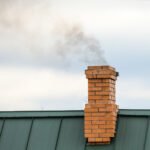
Start outside. Look for red flags such as crumbling or flaking bricks (called spalling), missing mortar joints, or leaning chimney stacks. Freeze-thaw cycles, age, and moisture intrusion can damage masonry, allowing water to penetrate and weaken structural integrity. Even minor deterioration can quickly escalate into falling debris or dangerous instability.
Next, inspect the chimney crown (the cement cap at the top of the structure). It should be solid, smooth, and free of cracks. The crown directs water away from the flue; cracks can allow water to seep in, corrode metal parts, and soak into the brickwork, where it can freeze and expand, causing further damage.
A thorough exterior check can reveal whether your chimney needs attention before Santa squeezes through.
Confirm the Cap Is Secure
Every chimney needs a cap. Chimney caps are metal covers with a mesh screen that prevent animals, debris, rain, and snow from entering the flue. If yours is missing, rusted, or loose, fixing or replacing it is the top priority. Wildlife such as squirrels, raccoons, and birds often settle in during the winter, leaving nests—or worse, sometimes dying inside—which is bad for both Santa’s arrival and your chimney’s performance.
Give the cap a gentle wiggle. If it moves, it needs to be repaired or replaced. Also, check the spark-arrestor mesh to ensure it’s clear. Blockages here restrict ventilation and increase the likelihood of smoke blowback into your home due to poor draft conditions.
Check for Flue Obstructions
Use a flashlight to look up the chimney from the fireplace opening. If you see anything that doesn’t belong—nest material, branches, or a dead animal—treat it as a blocked chimney. Obstructions reduce airflow, can ignite when the fireplace is used, and may even create downdrafts that force smoke into your living room.
Clear airways are essential for proper combustion, ventilation, and, of course, Santa’s safe passage.
Test the Damper
The damper is a metal valve inside the chimney that opens and closes the flue. Even if you don’t burn fires, a working damper matters. A damper stuck open wastes indoor heat, while one stuck closed can trap smoke and carbon monoxide inside your home if the fireplace is lit.
Slide the damper handle back and forth. It should move smoothly without resistance or metal-on-metal scraping. Stiff movement may indicate rust or heavy creosote buildup.
Look for Creosote Buildup
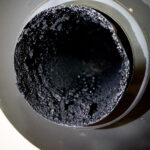
Creosote is a tar-like, highly flammable residue that forms as a byproduct of burning wood. You can minimize creosote by using properly seasoned firewood, but buildup is still inevitable over time.
Most creosote forms higher up in the flue, so even if you don’t see it near the firebox, lower-flue residue is a strong indicator that more exists above.
If you plan to light a fire for holiday ambiance, any creosote buildup makes your chimney unsafe to use until a professional cleaning is completed.
Perform a Sniff Test for Moisture and Odors
Unusual smells are one of the fastest warning signs that something is wrong. A damp, musty odor near the fireplace often points to moisture intrusion from crown cracks, missing or damaged caps, or deteriorated mortar.
- Moisture can cause rust, mold growth, weakened masonry, and freeze-expansion damage that worsens existing cracks.
- Faint smoky or sooty smells when no fire has been lit may signal residue, obstructions, or draft issues.
Santa prefers cookie and pine-cone scents, not mildew and creosote fumes.

Inspect the Firebox and Refractory Panels
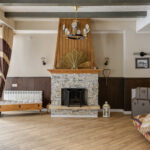
Inside the firebox, check the walls and liners. The refractory panels (also called firebrick liners) should be intact and free of cracks, large gaps, or missing chunks. These panels shield your home’s structure from extreme temperatures. Even hairline cracks can transfer heat to surrounding combustible materials, increasing fire risk.
Call the Pros at Smokestacks
The best way to ensure your fireplace and chimney are ready for Santa’s arrival is to call a trusted chimney company, like Smokestacks, for a full inspection and cleaning. We’re proud to serve homeowners throughout Milwaukee with expert chimney and fireplace care. Call us today to schedule an appointment.“